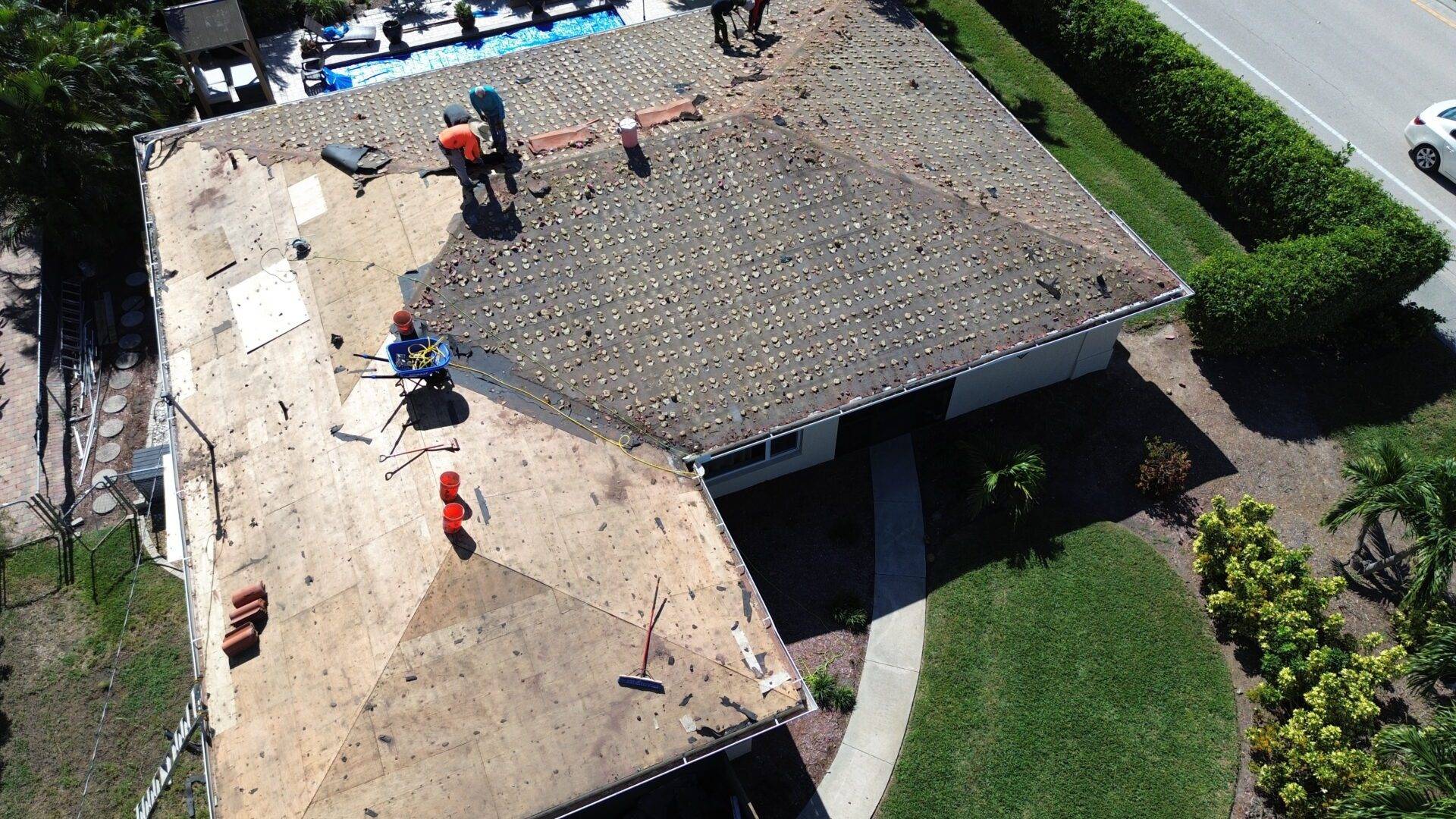

Introduction: The Hidden Layer That Does the Heavy Lifting
Your tile roof underlayment in Florida may look perfect from the street, but the real protection lies underneath. Beneath every row of concrete or clay tile is the waterproofing layer that keeps your home dry and secure.
In Florida, especially along the Gulf Coast, that hidden layer works harder than almost anywhere else in the country. Between daily UV exposure, heavy rainfall, and constant humidity, even the most durable tile roof underlayment will eventually wear down. Unfortunately, most homeowners never see this process happening. By the time signs of failure appear—such as a small ceiling stain or loose tile—the damage beneath the surface is often already advanced.
This post will walk you through what tile roof underlayment is, why it matters in Florida’s climate, how long it lasts, common warning signs, and how to choose the right type for your home. We’ll also break down Florida Building Code requirements and best practices set by the FRSA/TRI.
If your roof is 15 to 20 years old, now is the time to take a closer look. A simple inspection today can save you thousands in structural repairs tomorrow.
What Exactly Is Tile Roof Underlayment?
Think of your roof as a layered system, not just a surface. While the tiles are your first line of defense against sun and rain, the underlayment is your true waterproof shield. It’s a continuous membrane installed directly on the roof deck, sealing out moisture that slips past or around the tiles.

Underlayment is designed to:
- Create a secondary waterproof barrier against rain and wind-driven water.
- Help resist uplift pressures during high winds and hurricanes.
- Protect the deck from UV exposure and thermal expansion.
- Maintain a stable surface for tile attachment and flashing.
There are several main categories used in Florida tile roofs:
- Asphalt-saturated felt (traditional, now less common).
- Synthetic underlayment (lightweight, improved tear resistance).
- Self-adhered membranes (also called “peel and stick,” offering full adhesion to the deck).
In Florida, especially under tile, self-adhered modified bitumen underlayments are now the gold standard. They provide complete adhesion, seal around nails, and meet Miami-Dade and FBC requirements for wind resistance.
Why Florida Roofs Need the Right Underlayment
Florida’s tropical climate creates some of the harshest conditions for roofing materials anywhere in the U.S. A roof system here must handle year-round exposure to intense UV rays, high humidity, and frequent wind-driven rain. Each of these stressors breaks down underlayment over time:
- UV Radiation: Even minimal tile displacement or vent exposure can allow sunlight to hit the membrane. Over years, UV light degrades asphalt-based compounds, making them brittle.
- Heat: Roof deck temperatures can exceed 150°F. This constant thermal cycling causes expansion and contraction that stresses seams and fasteners.
- Humidity & Moisture: Prolonged dampness creates an environment for microbial growth, weakening the underlayment and the adhesives bonding it to the deck.
- Wind-Driven Rain: During tropical storms, water is forced beneath tiles and against flashing. Only a sealed underlayment system can stop it.
- Hurricane Uplift: Underlayment helps hold tiles in place. Poor adhesion or fastener choice can cause uplift failures.
While a tile roof in northern states might protect a home for 40 to 50 years without issue, here in Southwest Florida that same roof’s underlayment often lasts 15 to 20 years at best. The tiles may still look flawless while the waterproof layer below quietly deteriorates.
That’s why code-compliant underlayment—and professional installation following FRSA/TRI guidelines—isn’t just optional; it’s essential.
How Long Does Underlayment Last in Florida?
There’s a common misconception that tile roofs are “lifetime roofs.” In reality, the tiles themselves may last a lifetime, but the underlayment will not.
Here’s what you can expect:
- Self-adhered modified bitumen underlayments (like TU-MAX or Polyglass MTS): 15–25 years, depending on slope, ventilation, and installation quality.
- Two-ply synthetic systems (like Tri-Built or GAF Tiger Paw): 12–20 years.
- Traditional felt: 8–12 years under Florida conditions.
Most failures aren’t visible until late in the underlayment’s life. By the time leaks appear, water may have already reached the decking, flashing, or truss system.
If your roof is 15+ years old and has never been re-done, you’re living on borrowed time. Even if your tiles are pristine, it’s wise to schedule a Roof Health Check to assess underlayment integrity before a major storm tests it.
Warning Signs Your Underlayment May Be Failing
Since the underlayment is hidden, failure signs are often subtle. Here are the most common indicators:
- Ceiling stains or leaks after rain – a clear signal water has breached the barrier.
- Cracked or slipped tiles – allow UV and rain to hit the underlayment directly.
- Damp attic insulation – moisture seeping through joints or valleys.
- Lifted flashing or tile edges – can expose seams.
- Water stains on fascia or soffit boards – may point to water intrusion behind tile.
- Mildew smell in attic – ongoing slow leaks.
The most vulnerable areas include valleys, chimneys, skylights, and roof-to-wall transitions. Even one compromised seam can channel gallons of water beneath tiles during a storm.
If you’re seeing any of these signs, it’s time to bring in a licensed roofer familiar with tile roof tear-offs and FBC-compliant underlayment installations. Early intervention can mean a simple repair or partial replacement, not a full deck reconstruction.
👉 Schedule your Roof Health Check today to inspect hidden layers before small leaks become costly structural repairs.
Florida Building Code Requirements for Tile Roof Underlayment
The Florida Building Code (FBC) R905.2 and FRSA/TRI 6th Edition set the standards for underlayment installation under tile roofs. These codes are not optional—they’re the baseline for keeping your roof insurable and safe.
Key requirements include:
- Underlayment Type: Either two layers of ASTM D226 Type II felt or one layer of self-adhered polymer-modified bitumen meeting ASTM D1970.
- Fastening: Cap nails or equivalent are required for synthetics. Staples are no longer code-compliant.
- Overlap & Coverage: Horizontal laps must be a minimum of 2 inches for self-adhered, 19 inches for two-ply systems.
- Slopes Under 4:12: Must use self-adhered underlayment or two-ply hot-mop to prevent ponding and backwater.
- Flashing Integration: Must be embedded within or on top of the underlayment per FRSA/TRI diagrams.
Local AHJs (Authorities Having Jurisdiction), such as Cape Coral Building Department or Lee County Permitting, often require product approval numbers (FL# or NOA#) listed on the permit application.
For detailed diagrams and best practices, refer to the FRSA/TRI Tile Manual 6th Edition or see your local code office for accepted assembly drawings.
Comparing Common Florida Underlayments
Not all underlayments are created equal. Here’s a practical comparison for homeowners weighing longevity, cost, and protection:
| Type | Example Product | Pros | Cons | Best Use |
|---|---|---|---|---|
| Self-Adhered SBS Modified Bitumen | TU-MAX, Polyglass MTS | Fully sealed, Miami-Dade approved, high UV and heat tolerance, excellent wind uplift resistance | Higher cost, heavier rolls | Long-term installs, premium re-roofs, low-slope tile roofs |
| Synthetic Cap Sheet (2-ply) | Tri-Built, GAF Tiger Paw | Lightweight, budget-friendly, quick install | Requires two layers, more seams, not fully sealed | Steeper tile slopes, cost-sensitive re-roofs |
| Peel-and-Stick Hybrid | CertainTeed WinterGuard, Owens Corning DeckSeal | Good adhesion, versatile use | Lower lifespan, limited temperature range | Partial tear-offs, patch repairs |
If you’re planning to live in your home for 10 years or more, premium SBS-modified peel-and-stick underlayments are worth the investment. If you’re preparing to sell or have a smaller slope, a quality two-ply synthetic system can still meet code and protect your deck when installed correctly.
Whatever you choose, verify that the material is Miami-Dade approved and has an FL Product Approval visible on the roll wrapper.
The Installation Matters More Than the Material
Even the best product will fail if installed incorrectly. A premium TU-MAX underlayment can lose its integrity in just a few years if the installer:
- Doesn’t clean or prime the deck before adhesion,
- Overlaps seams the wrong direction,
- Uses incompatible fasteners,
- Fails to roll-seal the laps, or
- Installs during high humidity or dust.
Florida Building Code and FRSA/TRI guidelines exist to prevent these errors, but they only matter if your contractor follows them. Look for a licensed roofing company that:
- Pulls a permit for every reroof,
- Provides manufacturer product data sheets with the estimate,
- Uses certified crews (not subcontractors unfamiliar with tile systems), and
- Offers a workmanship warranty (1–5 years minimum).
At Salvo & Sons Roofing, every underlayment installation is inspected twice—once after dry-in, and again after tile completion—to ensure your waterproof layer is fully sealed and compliant.
Why Your Tiles Might Outlive Your Underlayment
Tile roofs in Florida can easily outlast multiple layers of underlayment. Tiles are made from concrete or clay, both highly durable materials that resist sunlight and impact. The underlayment, on the other hand, is a flexible barrier, and it simply ages faster under Florida’s environmental stress.
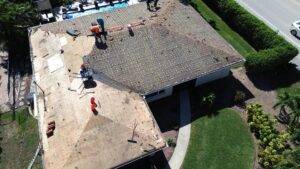
If caught early, you can often reuse your existing tile during an underlayment replacement. This approach saves thousands compared to a full roof replacement. However, if you wait too long, water intrusion may rot the decking, rust the fasteners, and force a complete tear-off.
A proactive inspection around the 15-year mark is the key to extending your roof’s lifespan and avoiding emergency repairs during storm season.
Final Takeaway: Your Underlayment Is the True Roof
Your tile roof’s beauty is only skin-deep—the real protection comes from the underlayment beneath it. In Florida’s punishing climate, this hidden layer works overtime to keep your home dry, energy-efficient, and structurally sound.
If your roof is approaching 15 to 20 years old, or if you’ve noticed leaks, slipped tiles, or ceiling stains, don’t wait for visible damage. A quick inspection today can reveal whether your roof’s waterproof layer is still doing its job.
👉 Schedule your complimentary Roof Health Check with Salvo & Sons Roofing to evaluate your tile roof underlayment and prevent small issues from becoming costly problems.
We proudly serve Cape Coral, Fort Myers, Punta Gorda, Estero, Bonita Springs, and Naples, helping homeowners protect what matters most—one layer at a time.